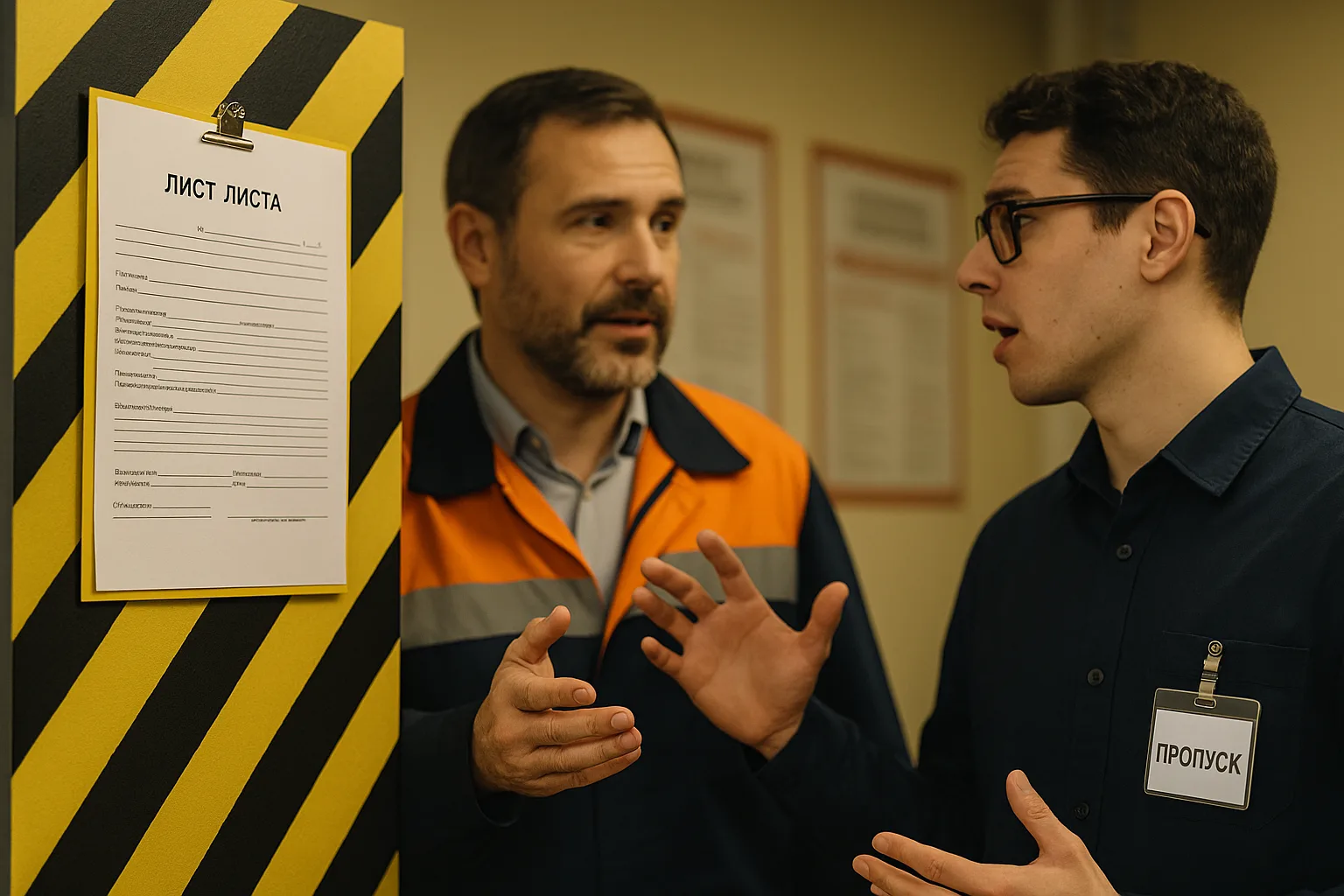
Why additional professional education in industrial and electrical safety matters in Orel
Orel’s industrial and service sectors depend on competent personnel and up-to-date safety systems. Additional professional education (continuing vocational training) in industrial and electrical safety:
— Reduces workplace accidents and equipment downtime
— Ensures legal and regulatory compliance for employers and contractors
— Improves workforce competence, confidence, and productivity
— Lowers insurance and operational costs through better risk management
This training is essential for managers, safety specialists, engineers, electricians, maintenance staff and contractors working in manufacturing, utilities, construction and other high-risk industries across Orel and the surrounding region.
Types of courses and programs commonly offered
— Short refresher courses and safety briefings (for site inductions and routine renewals)
— Vocational continuing education programs leading to certificates or attestations (for safety officers, industrial safety specialists)
— Electrical safety training and attestation (practical and theoretical, for different levels of responsibility)
— Industrial safety modules: hazardous production facilities, permit-to-work systems, confined spaces, hot work, working at height
— Practical skills: lockout–tagout, grounding and short-circuit protection, safe isolation, measurement and testing techniques
— Emergency response, first aid and fire safety for industrial sites
— Risk assessment and method statements, accident investigation and root-cause analysis
— On-site customized training tailored to specific equipment, processes or site hazards
— Online and blended learning options for theory with on-site practical assessment
What a quality provider in Orel should offer
Choose training centres or corporate providers that demonstrate:
— Accreditation or recognition by relevant Russian authorities and a track record of issuing accepted certificates/attestations
— Experienced instructors with practical industrial or electrical experience
— Clear curricula mapped to current regulatory and industry requirements (theory + practical assessments)
— Practical labs, equipment and real-life scenarios, or reliable on-site practical testing arrangements
— Transparent schedules, fees, and criteria for certification renewal and competency reassessment
— Post-training documentation: certificates, attendance records, practical test results and recommended follow-up intervals
Typical course content and learning outcomes
Participants should be able to:
— Identify common electrical and industrial hazards and apply appropriate controls
— Follow rules for safe work permits, isolation, grounding and verification before work begins
— Use personal protective equipment correctly and select PPE for specific tasks
— Apply emergency procedures, provide first aid for electric shock and respond to fires and spills
— Carry out basic risk assessments and prepare safe work method statements
— Demonstrate competence in practical tasks required for attestation (specific to electricians and maintenance staff)
Certification, validity and renewal
— Successful completion normally results in a formal certificate or attestation accepted by employers and inspectors
— Validity periods vary by program and role — many electrical safety attestations require periodic renewal (commonly every 1–3 years, depending on the qualification and employer policy)
— Keep copies of certificates in personnel files and schedule reminders for renewals to remain compliant
How to select the right program for your organisation
— Start with a short safety audit to identify gaps and priorities (electrical risks, mechanical, chemical, procedural)
— Match program level to job roles (general awareness for non-technical staff; practical attestation for electricians and supervisors)
— Prefer providers who can adapt content to your equipment, standards and internal procedures
— Check references, sample curricula and the ability to provide on-site practical assessment in Orel
— Verify costs include exams, practical testing and issuance of official documents
Practical tips for employers in Orel
— Include safety training in onboarding and as a recurring annual program for at-risk employees
— Combine classroom theory with hands-on practical drills on the actual equipment used at your site
— Maintain a training matrix: who is trained, course dates, renewal deadlines and competencies attained
— Work with local accredited centres to keep programs aligned with regional enforcement expectations and industry best practices
Next steps and resources
— Arrange an on-site risk review or training needs assessment with an accredited centre in Orel
— Request sample curricula and proof of instructor qualifications before contracting training
— Schedule mandatory attestation and renewals well before expiries to avoid work restrictions
If you’d like, I can draft an audit checklist for your facility, recommend evaluation questions for training providers, or prepare a sample training matrix tailored to your workforce in Orel. Which would you prefer?