Why this matters in Orel
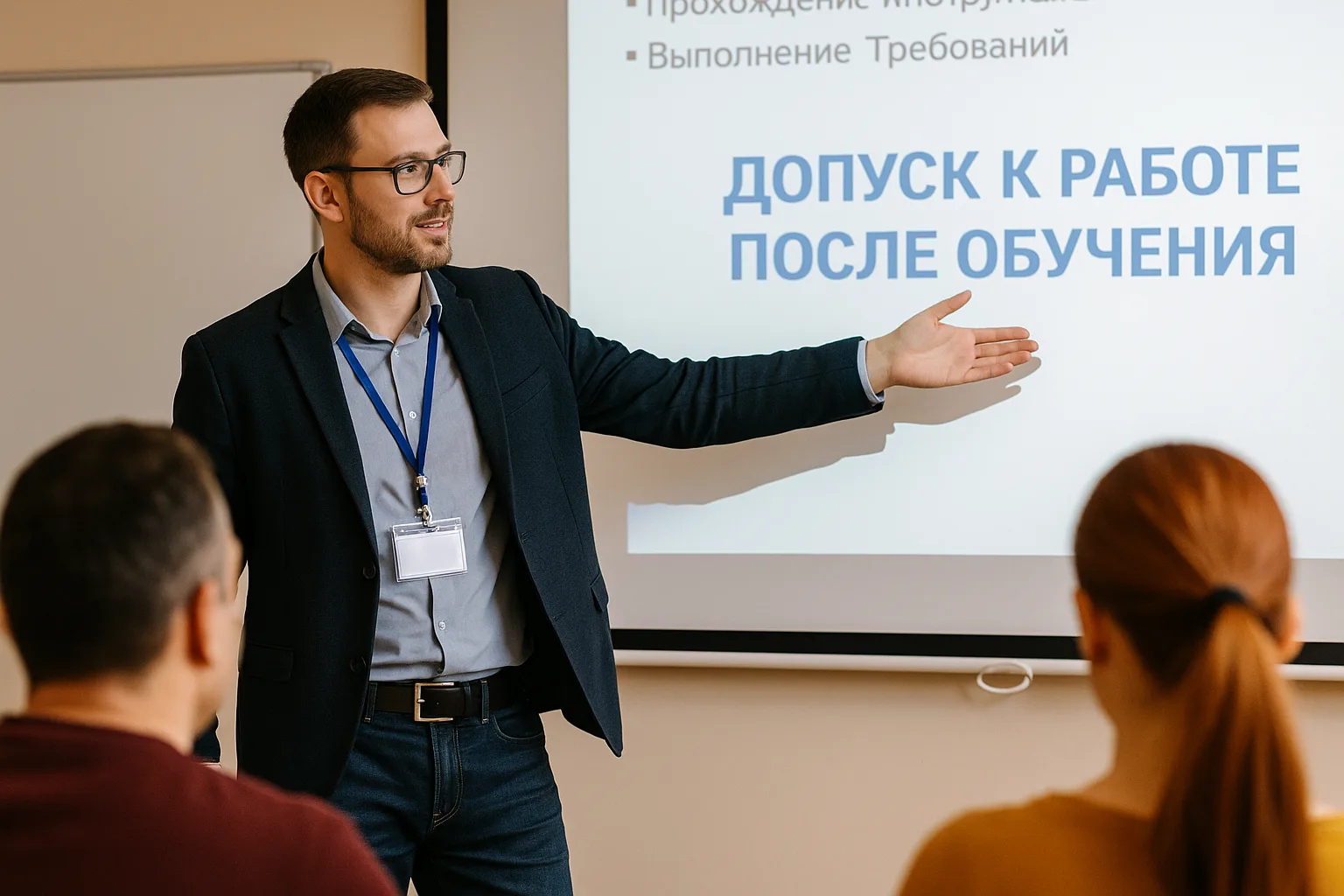
Industrial growth and aging infrastructure in Orel make industrial and electrical safety training essential for employers and employees alike. Proper additional professional education helps organizations comply with Russian safety requirements, reduce accidents, and improve operational continuity.
What is «additional professional education»?
Additional professional education (переподготовка и повышение квалификации) means short-term, focused programs that update or deepen employees’ skills beyond initial vocational training. For industrial and electrical safety, these programs deliver practical knowledge, certificates of completion, and, when required, formal attestation.
Main program types you’ll find
— *Industrial safety* (промышленная безопасность) — for production managers, engineers, and specialists responsible for hazardous processes.
— *Electrical safety* (электробезопасность) — courses for different electrical safety groups (I–V) covering safe operation of electrical installations.
— *Occupational health and safety (OHS)* — general training for workplace safety, risk assessment, and emergency response.
— *Specialized short courses* — lockout/tagout, grounding and earthing, high-voltage work, and human factors in safety.
— *Corporate onsite programs* — tailored group training conducted at your facility in Orel.
Who should attend
— Linemen and electricians working with low- and high-voltage equipment
— Production supervisors and shift managers
— Safety engineers and occupational safety specialists
— Maintenance personnel and commissioning teams
— HR and training managers responsible for staff qualification records
Typical curriculum elements
— Legal and regulatory framework (overview of relevant Russian norms and internal company rules)
— Principles of safe electrical work: isolation, grounding, PPE, tools
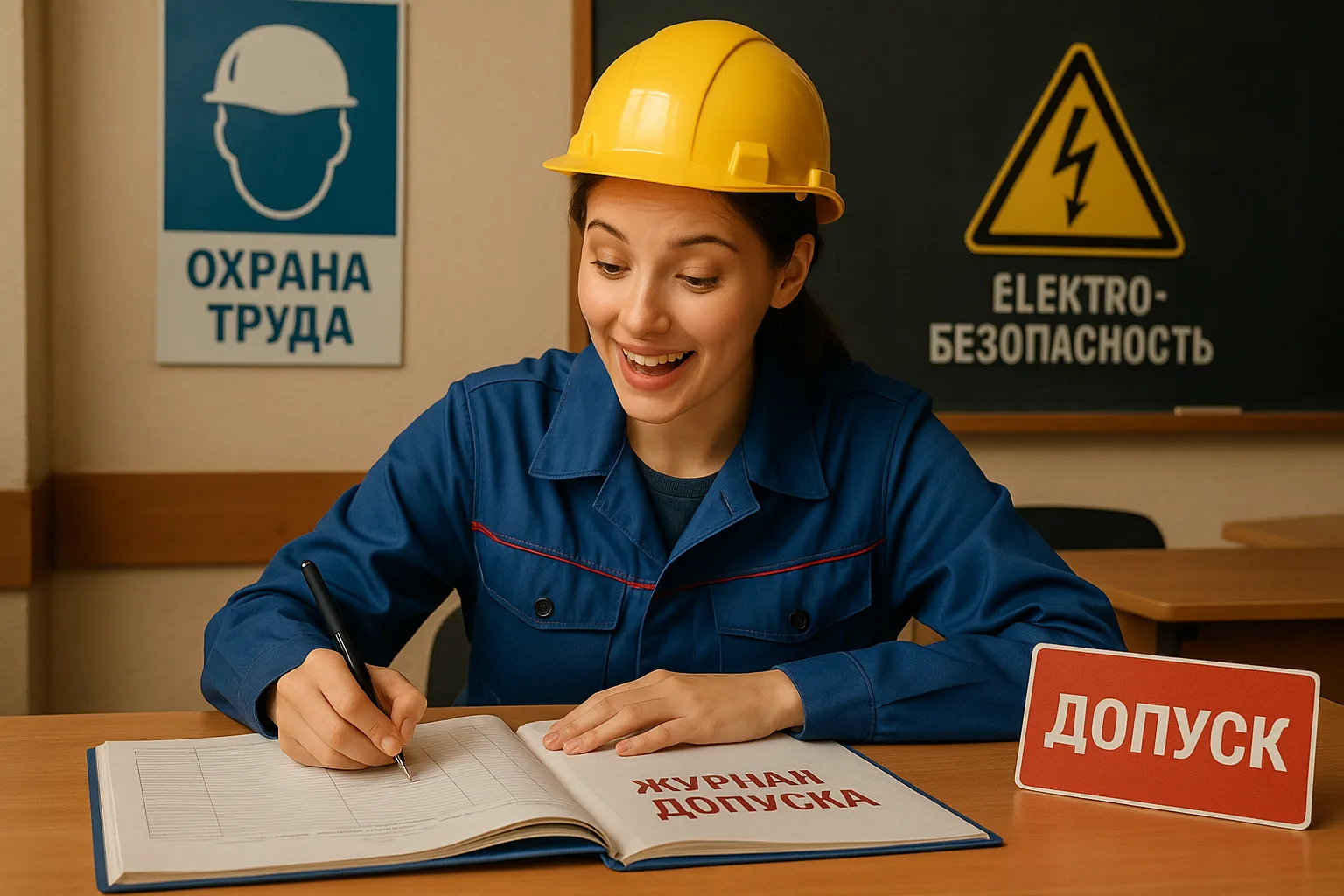
— Practical tasks: issuing permits, applying lockout/tagout, checking protective devices
— Risk assessment and hazard identification at workplaces
— Emergency response, first aid and action during electric shock or fires
— Recordkeeping and certification procedures
Certification and legal aspects
— Training should be conducted by accredited providers and end with a certificate or record in the employee’s qualification file.
— Employers must keep evidence of training, attestation results, and practical checks.
— Many organizations require periodic retraining and attestation — check your industry rules and internal procedures.
— Reference frameworks to verify against: applicable sections of the Russian Labor Code, Правила по охране труда при работе с электроустановками (ПУЭ), and industry-specific safety regulations.
How to choose a training provider in Orel
— Verify accreditation and permission to run professional programs.
— Ask for trainer qualifications and examples of course materials.
— Prefer providers offering practical exercises and access to training rigs or on-site practical sessions.
— Request sample certificates and clarification of reassessment/recertification procedures.
— Check reviews and request references from other local companies.
— Compare cost, schedule flexibility (online + practical), and post-training support.
Practical checklist to implement training in your company
1. Conduct a competency audit: who needs which courses and by when.
2. Select an accredited provider in Orel and obtain a program outline.
3. Schedule theoretical sessions and arrange practical access to equipment or on-site workshops.
4. Collect participant documents and maintain attendance records.
5. Ensure assessment and issue certificates; file results in personnel records.
6. Plan periodic re-training and on-the-job verification (practical checks).
7. Update internal safety rules and job instructions based on training outcomes.
Benefits for employers and employees
— Reduced risk of incidents, downtime and associated costs
— Compliance with regulatory requirements and smoother inspections
— Increased staff competence and confidence when working with electrical equipment
— Better safety culture and lower insurance and liability exposure
Next steps (local)
— Compile a list of employees needing training and their current qualification levels.
— Contact accredited training centers in Orel for proposals and dates.
— Schedule a kickoff meeting with your chosen provider to align program scope and practical components.
For safer operations in Orel, prioritize accredited, practical training and keep clear records of qualification and attestation. Properly planned additional professional education is an investment that protects people, equipment, and business continuity.