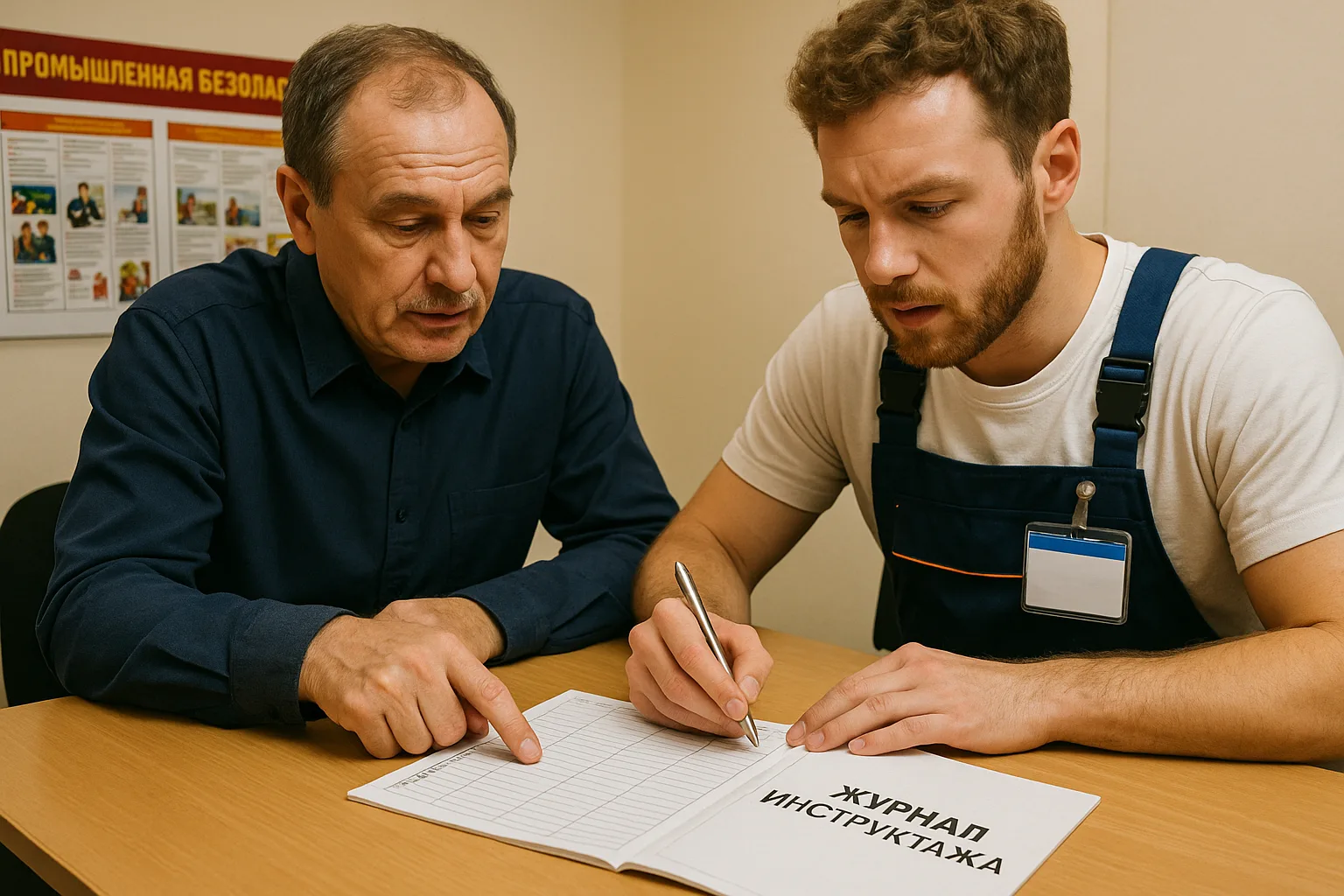
Overview
Workplace safety and continuous professional education are essential for manufacturing, utilities, construction and other industries in Orel. Proper training in industrial and electrical safety reduces accidents, ensures legal compliance and helps organisations maintain operational continuity and reputation.
Why this matters in Orel
— Orel has a diversified industrial base — machine building, processing and utilities — where electrical hazards and industrial risks are common.
— Local employers must balance production goals with worker safety and regulatory oversight from federal and regional authorities.
— Investing in targeted additional professional education raises skill levels locally and supports safer workplaces.
Legal and regulatory context (what employers must consider)
— Employers in Russia are subject to the Labor Code and labour protection legislation; *specific requirements* for electrical installations follow national technical rules such as the Правила устройства электроустановок (PUE) and related safety regulations.
— Industrial safety supervision is enforced by federal and regional bodies (e.g., Ростехнадзор and regional labour authorities), and the Ministry of Labour issues guidance on training and certification.
— Employers are responsible for organizing induction, periodic and unscheduled training, issuing permits for hazardous work, and keeping training records and certificates.
Who needs training
— Qualified electricians and electrical fitters
— Maintenance and repair personnel
— Shift and production supervisors
— Safety officers / engineers
— New hires and contractors working on-site
— Managers responsible for risk assessment and permit-to-work systems
Core topics for industrial and electrical safety training
— Legal basics and employer/employee responsibilities
— Risk assessment and hazard identification
— Safe work permits and permit-to-work systems
— Lockout‑Tagout (isolation) procedures
— Earthing/grounding and protective bonding
— Overcurrent protection, fuses and circuit breakers
— Arc flash awareness and mitigation measures
— Safe use of hand and power tools around live equipment
— Personal protective equipment (PPE) and selection
— Work at height and fall protection when relevant
— Confined space entry (if applicable)
— Emergency response, first aid basics and rescue procedures
— Behavioural safety, human factors and incident reporting
— Practical hands-on exercises and real-life fault-finding
Recommended structure of a training program
— Induction course for new employees (theory + basic practical)
— Role-specific certification for electricians and technicians (detailed technical + practical test)
— Supervisor/manager training (hazard control, legal duties, permit systems)
— Refresher courses: typically annually or as mandated by regulation and after incidents/major changes
— Assessment: written test + practical skills demonstration
— Issuance of certificates and logging in the company’s training register
Training formats and best practices
— Blended learning: combine e-learning for theory with classroom and on-site practicals
— Scenario-based exercises and simulations (including emergency drills)
— Small-group practicals with real equipment or safe simulators
— Use of local case studies to make lessons relevant to Orel workplaces
— Maintain competency checks and toolbox talks between formal sessions
Implementing a program in Orel — practical steps for employers
1. Audit current competency levels and identify roles needing training.
2. Define mandatory course content and frequency based on job risks and legal requirements.
3. Select accredited providers or partner with local technical colleges and training centers.
4. Schedule initial and recurring sessions, including on-site practicals where possible.
5. Maintain a central register of certificates, assessment results and expiry dates.
6. Integrate safety training outcomes into performance reviews and incident investigations.
Choosing an accredited provider (what to look for)
— Official accreditation or recognition from relevant Russian authorities
— Trainers with industry experience and up-to-date certifications
— Practical training capability (labs, training rigs, on-site instruction)
— Transparent curricula, assessments and issuance of recognized certificates
— Good references from local companies in Orel or surrounding oblasts
Benefits for organisations
— Reduced occupational incidents, injuries and associated costs
— Compliance with legal and insurance requirements
— Improved productivity through fewer unplanned shutdowns
— Stronger safety culture and employee morale
— Clear documentation for audits and inspections
Employer checklist (quick)
— [ ] Conduct skills and risk audit for all electrical/industrial roles
— [ ] Define mandatory training modules and schedule
— [ ] Engage accredited local providers or colleges in Orel
— [ ] Ensure practical, on-site training and emergency drills
— [ ] Keep certificates and training records up to date
— [ ] Reassess after incidents and update training as needed
Resources and contacts (where to start in Orel)
— Regional Department of Labour / occupational safety office of Orel Oblast for regulatory guidance and inspections
— Local technical colleges and vocational training centres offering industrial and electrical programs
— Accredited private training providers with verified credentials
— Federal-level resources: Ministry of Labour guidance, Ростехнадзор publications and the PUE (Правила устройства электроустановок) for electrical safety norms
Conclusion
Additional professional education in industrial and electrical safety is a practical, legally necessary investment for businesses in Orel. A structured, documented program that combines theory, hands‑on practice and regular reassessment will protect employees, reduce downtime and ensure compliance. Start with a local skills audit, select accredited providers, and keep training records current to build a safer workplace.