Why Orel businesses must invest in additional professional education for industrial and electrical safety
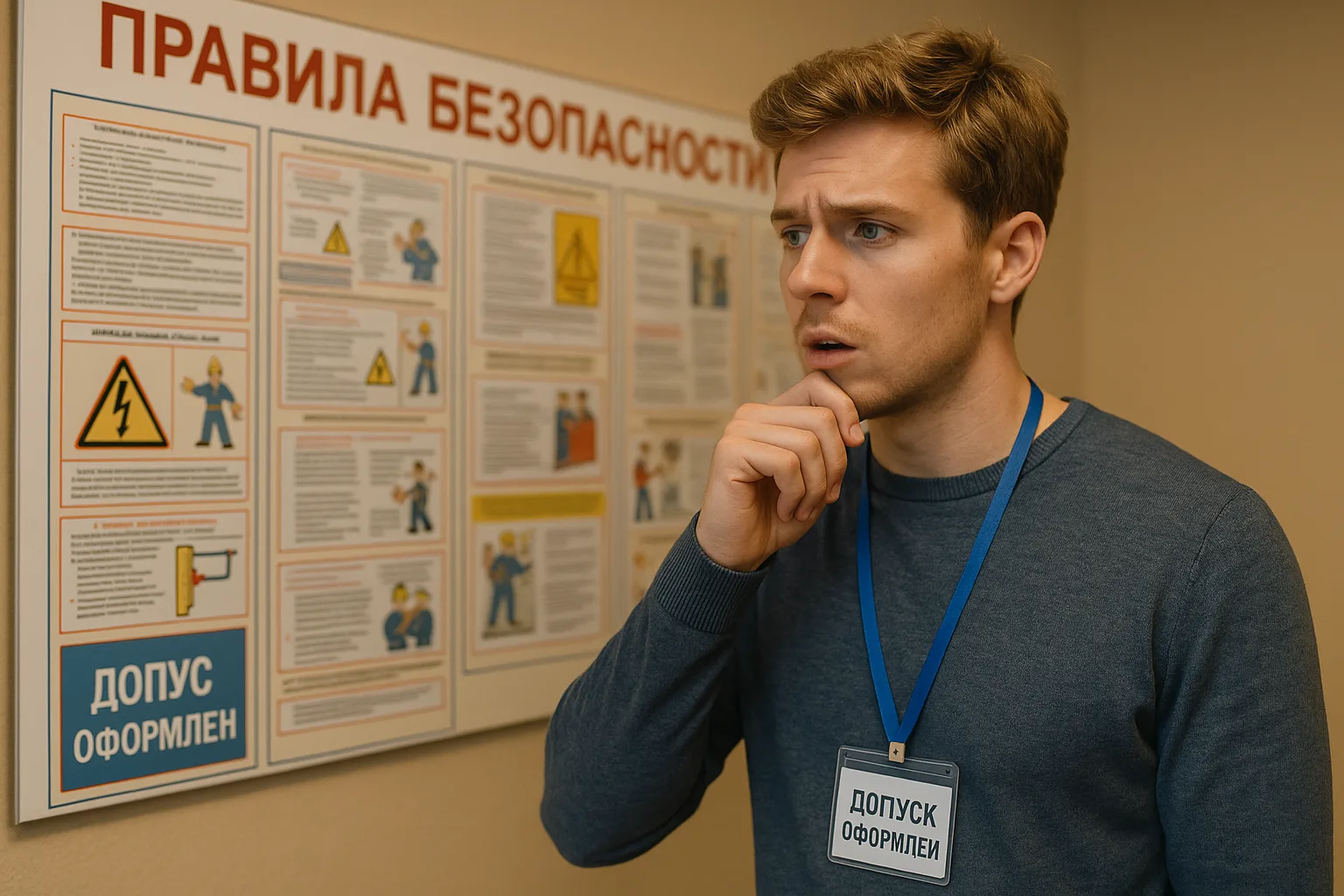
Orel’s regional economy includes manufacturing, agriculture, food processing and energy-intensive services — sectors where industrial and electrical hazards are part of everyday operations. Investing in additional professional education in industrial and electrical safety reduces incidents, ensures legal compliance, lowers insurance costs and improves operational reliability. For employers and employees in Orel, targeted training is not just best practice — it’s a foundation for business continuity and workforce confidence.
Key benefits
— Improved workplace safety and fewer accidents
— Compliance with Russian federal safety and labour requirements (verify specifics with regulators)
— Clear, auditable records for inspections and insurance claims
— Higher staff competence, productivity, and retention
— Faster, safer response to incidents and emergencies
Who should take these programs
— Electricians, switchgear technicians and maintenance electricians
— Production and shift supervisors at industrial sites
— Engineers responsible for design, commissioning and maintenance of electrical systems
— Health & Safety specialists and occupational safety managers
— Contractors and subcontractor teams working on-site
— Administrative staff responsible for permitting and work-permit systems
Core topics covered (industrial safety + electrical safety)
— Risk assessment and hazard identification in industrial environments
— Electrical hazard fundamentals: shock, arc flash, grounding/earthing and insulation integrity
— Safe isolation, switching procedures, lockout/tagout and permit-to-work systems
— Use and inspection of personal protective equipment (PPE) for electrical and industrial tasks
— Safe operation of lifting and hoisting equipment, confined space entry and mechanical hazards
— Emergency response: firefighting basics, first aid for electrocution, evacuation procedures
— Monitoring and testing: insulation resistance, residual current devices (RCDs), protective relays
— Documentation, incident investigation and corrective actions
— Human factors, safety culture and leadership in safety management
Typical program structure and outcomes
— Modular format: theoretical classroom modules + hands-on practical training
— Simulated worksite scenarios and live demonstrations of safe procedures
— Written exam and practical attestation where relevant
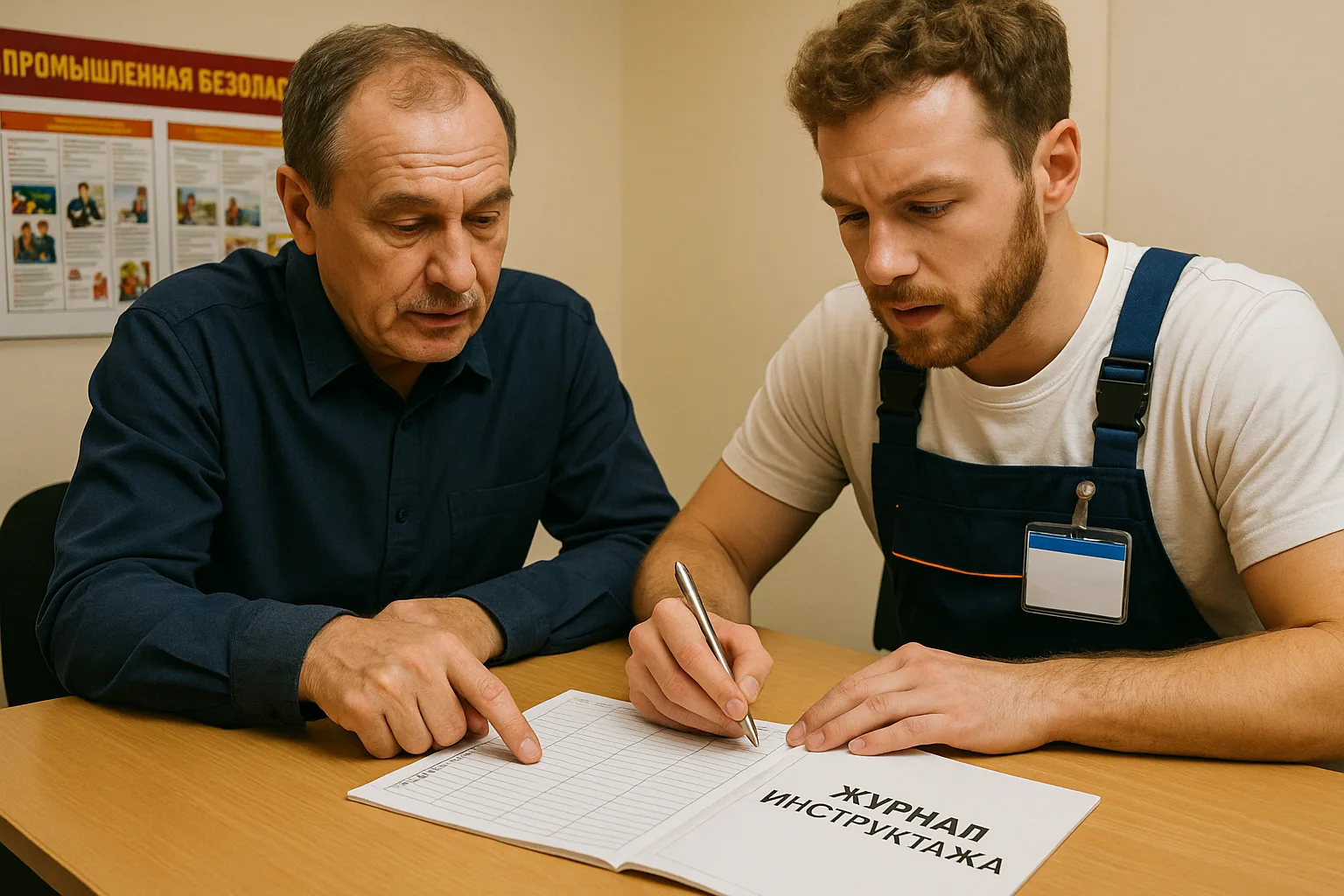
— Issuance of certificates or training records recognized by employers and inspectors
— Optional on-site training and tailored corporate programs for teams at plant locations in Orel
Frequency and legal notes
— Many roles require *periodic* refresher training and re-attestation; intervals vary by role and regulatory requirements.
— Always confirm exact retraining intervals and certification formats with your employer, the regional labour inspectorate and the relevant federal oversight body (e.g., Ростехнадзор for certain industrial facilities).
— Choose providers accredited to deliver programs that meet federal and industry standards.
How to choose a training provider in Orel
— Verify accreditation and recognition by relevant Russian authorities.
— Prefer providers with documented experience in industrial and electrical safety for sectors prominent in Orel.
— Ensure a strong practical component: live equipment, measurement instruments and realistic scenarios.
— Ask for client references and examples of customized corporate programs.
— Confirm post-training support: access to materials, refresher scheduling, and attestation documentation.
Practical checklist for employers
— Map roles that need initial and periodic training.
— Schedule group or on-site sessions to minimize production downtime.
— Require proof of training and maintain centralized records.
— Integrate training outcomes into workplace permits and risk assessments.
— Budget for recurring refresher courses — safety is an ongoing investment.
Next steps (for Orel organisations and professionals)
— Audit your workforce to identify training needs.
— Request proposals from accredited local training centres and technical universities.
— Prioritise high-risk groups (electrical personnel, maintenance teams, shift leads) for immediate training.
— Build a 12-month training calendar that includes refreshers and practical drills.
If you’d like, I can help draft a training brief for your company (scope, target groups, preferred format) or prepare a shortlist of questions to evaluate training providers in Orel.