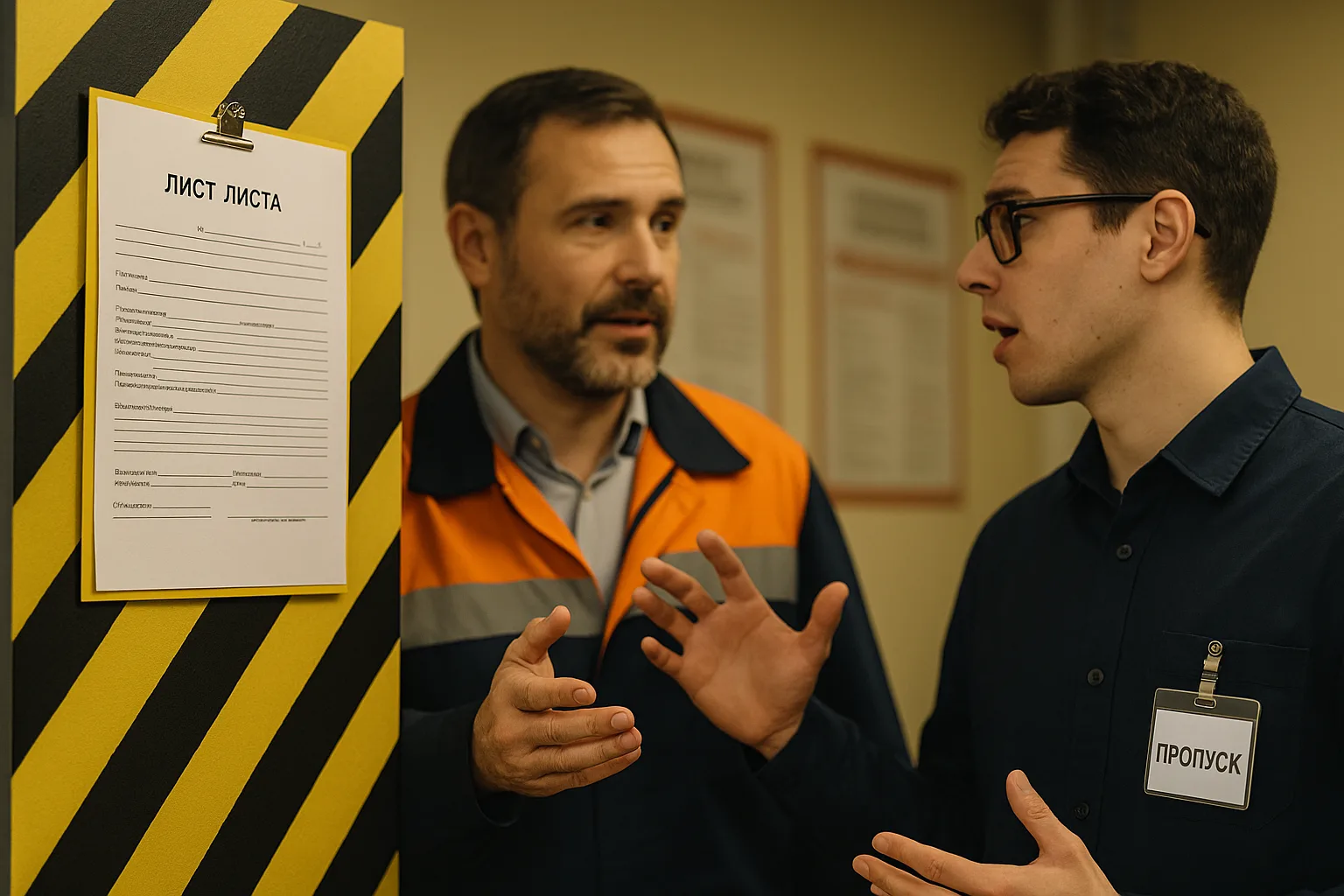
Why additional professional education matters in Orel
Continuous professional education in industrial safety and electrical safety is essential for enterprises in Orel to:
— Meet regulatory and insurer expectations.
— Reduce workplace incidents and downtime.
— Maintain staff competence with modern equipment and procedures.
— Improve the company’s reputation and operational efficiency.
Training is particularly important for manufacturing, construction, energy, utilities, transport and any activity involving hazardous production processes or electrical installations.
Who needs training
— Line workers and electricians who operate or service electrical installations.
— Maintenance and repair crews working on industrial equipment.
— Supervisors and safety officers responsible for workplace safety.
— Emergency response teams, crane and lifting equipment operators, and personnel at hazardous production facilities.
— Newly hired workers and employees reassigned to new duties.
Types of courses and common content
Training is usually split into initial (primary) instruction and periodic refresher courses. Formats include classroom, blended learning, and practical workshops.
Industrial safety (typical modules)
— Legal framework and employer/employee responsibilities.
— Risk assessment and hazard identification.
— Safe work procedures and permits-to-work (PTW).
— Hazardous materials handling and storage.
— Lockout/tagout, mechanical guarding, and machine safety.
— Fall protection and working at height.
— Fire safety, evacuation procedures and use of firefighting equipment.
— Incident investigation and reporting.
Electrical safety (typical modules)
— Principles of electrical hazards and protective measures.
— Personal protective equipment (PPE) for electrical work.
— Safe isolation and earthing/grounding procedures.
— Working near live parts, safe work distances, and tools for live work.
— First aid for electrical shock and burns.
— Testing, verification and periodic inspection procedures.
— Documentation: work permits, instructions, and logbooks.
Certification and documentation
— Courses should end with competency assessment (theory and/or practice) and issuance of a certificate or attestation recognized by employers and, where applicable, regulatory bodies.
— Keep training records for each employee (contents, date, instructor, certificate number) — these are required for inspections and internal control.
— Refresher intervals depend on job type and risk level; typical periodicity ranges from 1 to 3 years.
How to choose a training provider in Orel
Look for providers that offer:
— State accreditation or recognition and trainers with practical industry experience.
— Up-to-date curricula aligned with current safety rules and industrial practice.
— Practical laboratories, simulators or on-site practical sessions.
— Clear certificate issuance and documented assessment procedures.
— Positive references from local employers in Orel and the Orel region.
Where to search
— Regional vocational training centers, technical colleges and universities.
— Branches of nationwide training organizations and professional associations.
— Industry-specific training centers (energy, construction, manufacturing).
— Local chambers of commerce or municipal employment centers for lists of accredited providers.
Practical steps to enroll
1. Assess which courses your employees need (job descriptions, hazards, past incidents).
2. Contact several providers to compare programs, practical content and schedules.
3. Confirm accreditation, certificate validity and assessment methods.
4. Provide required documents (ID, employment confirmation, prior certificates if applicable).
5. Schedule training to minimize downtime — consider on-site group training for larger teams.
6. File and maintain training records after completion.
Employer benefits
— Fewer accidents and related costs (medical, legal, production losses).
— Compliance with occupational safety expectations, reducing risk of fines or stoppages.
— Better readiness for inspections at hazardous production facilities.
— Higher staff morale and lower turnover due to safer working conditions.
Recommendations specific to Orel
— Prioritize hands-on and on-site practical training for roles involving local industrial equipment and networks.
— Use regional providers familiar with Orel’s industrial profile and local regulatory practice.
— Coordinate training cycles across shifts to ensure continuous coverage of production.
— Include emergency response drills tailored to site-specific scenarios (plant layout, fire risks, local emergency services).
Quick checklist for employers
— Identify required courses for each role.
— Verify provider accreditation and trainer qualifications.
— Schedule initial and refresher training with documented assessments.
— Maintain a central training log for all employees.
— Review and update training content annually or after incidents.
If you want, I can help draft a training plan template for a specific facility in Orel or a short checklist for selecting an accredited local provider. Which would be most useful?